Zakat for kids
Colourful and simply explained, Samia Ahmed’s PowerPoint explaining what zakat is all about! For kids 8+

Shahada
Salah (prayer)
Ramadan and fasting
Zakat
Hajj

Colourful and simply explained, Samia Ahmed’s PowerPoint explaining what zakat is all about! For kids 8+

The Etiquettes of Wudu The wudu is divinely prescribed (tawqifi). It was demonstrated by the Prophet (peace be upon him) to his companions. The differences of opinion between the different schools arise due to their using different narrations. It is not the case Imam Abu Hanifa, or Malik or Shafi are creating their own styles…
Tahara (purification) Not everyone is aware that the parts of wudu are divided into the obligations (fard) and the Sunnah, which are rewarding but not essential for a wudu to be valid. Why is this important? If one finds they are short of water, they can do the minimum aspects of wudu for it to…
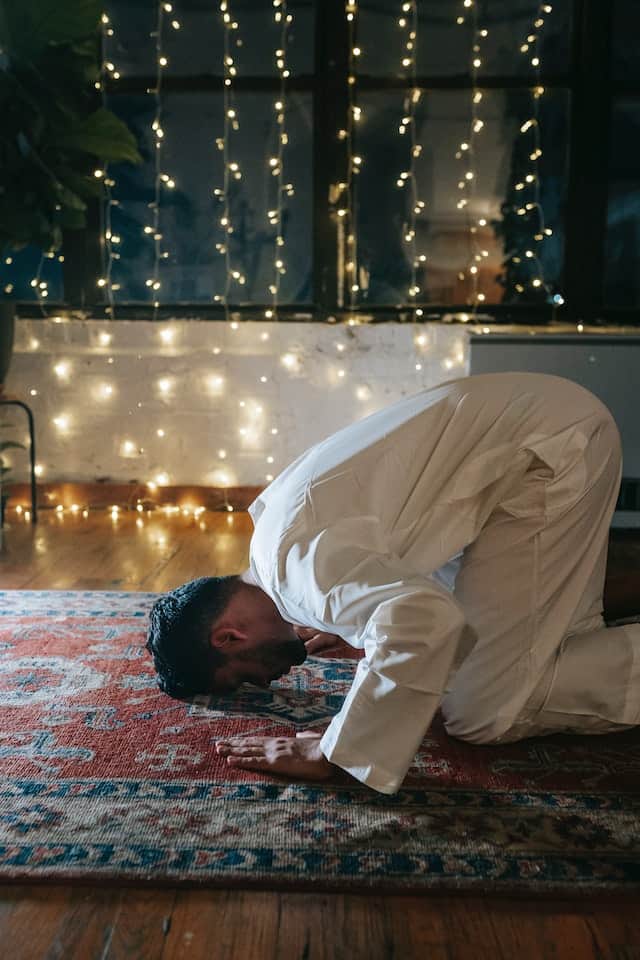
During the Summer when Maghrib and Isha are very late and Fajr is just a few hours after Isha, many people struggle with praying on time. The best solution is to pray Maghrib and then pray Isha immediately after it (before Isha has started) and then go to sleep straightaway. Otherwise you will struggle to…
The obligations are mentioned in the Quran. Mulla Ali begins by listing the obliagation (fard) aspects of wudu:1. Wash your whole face from the hairline above your forehead to the chin and from ear to ear. This does not include the neck or ears. The mouth and nose are not considered fard in the Hanafi school, but are considered fard in the Shafi school. 2. Wash both your hands up to and including the elbows. 3. Wipe over the head. 4. Wash both feet up to and including the ankles. Washing between the toes is considered fard by some and Sunnah by the others.

Rinsing the mouth and nose is not an obligatory part of wudu according to the Shafi school, but is obligatory in the Hanafi school. Allah Almighty has defined four obligations of wudu in Surah Maidah: the face, arms, head and feet. We wash every single bit of our skin.

Zakat ul Fitr covers any shortcomings in your fasting during Ramadan Abdullah ibn Abbas narrated May Allah be pleased with him said: The Messenger of Allah (peace be on him) prescribed the sadaqah of fitr (alms relating to the breaking of the fast) as a purification of the fasting from useless and obscene talk and as food for the…

Have clarity rather than doubt in your affairs اليقين لَا يَزُولُ بِالشَّكِّ There is a maxim in Fiqh that one must not let doubt creep into matters. It is a very wide ranging principle. This maxim has very wide application. This principle enables people to have certainty and block doubts in any affair. Particularly those…

After the takbeer and before beginning the recitation of Surat al Fatihah, the sunnah is to recite either the thana or the dua al istiftah, followed by the istiadha. These are not fard elements of salah and one’s salah would not be invalidated if one missed them out, but one would be rewarded for doing…

Salah energises us, rejuvenates us, empowers us to face the tests we go through every day. This is why we have five prayers, not just one: because we face continuous tests all day, from waking up until we go to sleep, every day until we meet Allah. We need to strengthen our salah and make it in accordance with the Sunnah. And we have an opportunity in Ramadan. Some people might not be praying regularly, but in Ramadan they keep their salah. So don’t lose this after Ramadan. We ask Allah to strengthen imaan, and make salah our mi’raj to Him during every salah. Ameen.
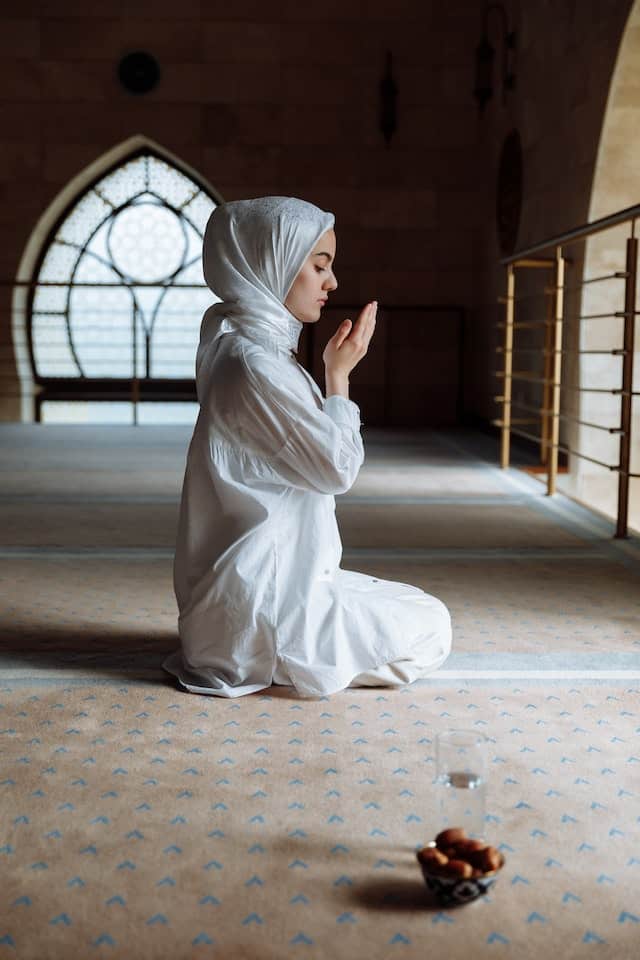
One of the special features of Ramadan is ei’tikaf, which is going into seclusion to worship Allah Almighty. It is the sunnah to go into seclusion in the last ten days of Ramadan, as the Prophet (peace be on him) used to do and his wives continued do ei’tikaf in the mosque and continued this…

The aim of fasting is to achieve righteousness Allah Almighty said in Surat al Baqarah: يَـٰٓأَيُّهَا ٱلَّذِينَ ءَامَنُواْ كُتِبَ عَلَيۡكُمُ ٱلصِّيَامُ كَمَا كُتِبَ عَلَى ٱلَّذِينَ مِن قَبۡلِكُمۡ لَعَلَّكُمۡ تَتَّقُونَ O you who have believed, decreed upon you is fasting as it was decreed upon those before you that you may become righteous – [2:183] Alhamdulillah,…

They ask you… My reflection today is on a very beautiful ayah among the 5 verses on fasting in the Quran which are found in Surat al-Baqarah (183-187). Allah Almighty says: وَإِذَا سَأَلَكَ عِبَادِى عَنِّى فَإِنِّى قَرِيبٌ ۖ أُجِيبُ دَعْوَةَ ٱلدَّاعِ إِذَا دَعَانِ ۖ فَلْيَسْتَجِيبُوا۟ لِى وَلْيُؤْمِنُوا۟ بِى لَعَلَّهُمْ يَرْشُدُونَ If my servants ask you…

You can pray audibly for Fajr, Maghrib and Isha, but not Dhur and Asr which are not vocalised. Shaykh Haytham Tamim

Abu Hurayrah (may Allah be pleased with him narrated that Allah’s Messenger (peace be upon him) said: ‘Sadaqa does not reduce (one’s) wealth; and Allah increases the honour of his who pardons (others); and no one will humble himself for Allah’s sake without Allah raising him up.’ [Imam Muslim] The concise speech of Prophet (peace…