Major principles in Islam: Halal earning and avoiding haram (part 5). The prohibition of riba
| |

Major principles in Islam: Halal earning and avoiding haram (part 5). The prohibition of riba

Core Principles Justice and fairness are the foundation of Islamic financial dealings. Riba is prohibited because it perpetuates oppression and exploitation. Money is a medium of exchange, not a commodity to be sold for profit. Trade involves risk and effort; charging for money itself without value addition is forbidden. Islam promotes economic balance, not extremes…

Is collagen halal?
|

Is collagen halal?

Collagen Collagen is the main structural protein found in animal tissues (skin, bones, cartilage). Collagen supplements are often taken for skin and joints and may also support hair, nails and gut health. It is typically consumed orally, as a gel or drink. Collagen derivatives can also be found in beauty products such as anti-ageing creams,…

Submission vs questioning: the believer’s attitude
|

Submission vs questioning: the believer’s attitude

Submission lies in not questioning Allah’s wisdom Ibn Abī al-‘Izz al-Ḥanafī (d.792) said: “The foundation of servitude (‘ubūdiyyah) and faith is submission.” Know that the foundation of servitude (‘ubūdiyyah) and faith (īmān) in Allah, His Books, and His Messengers rests upon submission (taslīm) and refraining from asking about the detailed wisdom behind the commands, prohibitions,…

Islamic rulings on praying with heavy bleeding
| | |

Islamic rulings on praying with heavy bleeding

Islam makes a clear distinction between ḥayḍ (menstrual bleeding) and istiḥāḍah (irregular or non-menstrual bleeding). If the bleeding is istiḥāḍah, even if it is very heavy, the rulings of menstruation do not apply. This means that prayer, fasting, and other acts of worship remain obligatory. Fāṭimah bint Abī Ḥubaysh (may Allah be pleased with her)…

Can I combine isha with Tahajjud?
| |

Can I combine isha with Tahajjud?

Can Tahajjud be combined with ‘Isha? Is it permissible to combine Tahajjud with the ‘Isha prayer, particularly in the summer when the window between ‘Isha and Fajr is short? The short answer is: no, Tahajjud cannot be prayed immediately after ‘Isha and still be considered true Tahajjud. This is because Tahajjud is defined as voluntary…

Abortion in Islam
| |

Abortion in Islam

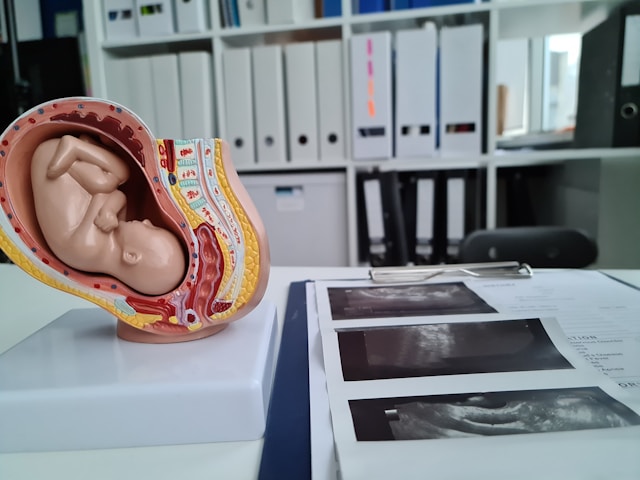
Is abortion permissible in Islam? Islamic law upholds two paramount concerns in the matter of abortion: the sanctity of foetal life and the preservation of the mother’s life. The Qur’ān explicitly prohibits unjust killing: وَلَا تَقْتُلُوا النَّفْسَ الِتِي حَرَّمَ اللهُ إِلَّا بِالْحَقِّ “And do not kill the soul which Allah has forbidden, except by right.”…

Is it permissible for a Zakat institution to take ownership of the Zakat and then distribute it to the eligible recipients?
|

Is it permissible for a Zakat institution to take ownership of the Zakat and then distribute it to the eligible recipients?

According to the majority of scholars: It is not permissible for a Zakat institution to take ownership of the Zakat for itself. The Zakat remains the property of the payer until it is delivered to one of the eight eligible categories mentioned in the verse: “Zakat expenditures are only for the poor and for the…

Major Principles in Islam: Halal earning (part 4)
| | | |

Major Principles in Islam: Halal earning (part 4)

  Foundations of halal earning: contracts in Islamic transactions On the subject of halal earning (al-kasb al-halal), we started by exploring one of the earliest works on the topic, written by Muhammad ibn al-Hasan al-Shaybani, a prominent student of Imam Abu Hanifah. He was a mujtahid in his own right and wrote a short yet…

Major Principles in Islam: Halal earning (Part 3)
| | | |

Major Principles in Islam: Halal earning (Part 3)

Halal income Halal earning refers to how to earn your living in a way that pleases Allah. It also includes how to avoid falling into haram, doubtful matters, disliked things, or areas that are grey and uncertain. In the previous session, we mentioned the work of Imam Muhammad ibn al-Hasan, the student of Abu Hanifah….

Major Principles in Islam: Halal earning (part 2)
| | |

Major Principles in Islam: Halal earning (part 2)

Seeking halal income Earning a ḥalāl living, which is called al-kasb in Arabic, is a very important topic related to everyone’s business transactions, dealings, sales, and so on. It’s essential to understand what is permissible, what is not, the boundaries, the details, and so forth. As I mentioned last time, the first to write on…

Can you view the face of the deceased in Islam?
| |

Can you view the face of the deceased in Islam?

The moments following a person’s death are deeply emotional and spiritually significant. One of the questions often asked in Muslim communities is whether it is permissible to view the face of the deceased. The answer is not entirely uniform, as Islamic practice on this matter varies across cultures and is subject to interpretation, though both…

Are Lottery Tickets and Arcade Games Haram in Islam?
| | |

Are Lottery Tickets and Arcade Games Haram in Islam?

We’re surrounded by activities that may seem harmless – buying a lottery ticket or playing arcade games to win prizes. These may appear to be just fun and games, but how should a Muslim approach these forms of entertainment? Gambling is clearly prohibited in Islam Allah ﷻ says in the Qur’an: “O you who believe!…

Major principles in Islam: Halal earning (part 1)
| | |

Major principles in Islam: Halal earning (part 1)

Halal Earnings and Income – al kasb al halal Seeking an income is known in Arabic as الكسب (al-kasb), which literally means “earning.” From a Sharia perspective there are many aspects to earning such as how to earn a halal income and avoiding acquiring any wealth through haram means. The first scholar to write on…

Should you recite Surah Yaseen for the dying?
| | |

Should you recite Surah Yaseen for the dying?

There are multiple hadith regarding Surah Yaseen. Though there are different opinions on their levels of authenticity, the number of hadith on Surah Yaseen are evidence for its recommendation. In particular, in an authentic hadith, the Prophet (peace be on him) recommended reciting it when someone is dying. Ma’qil ibn Yasar (may Allah be pleased…