
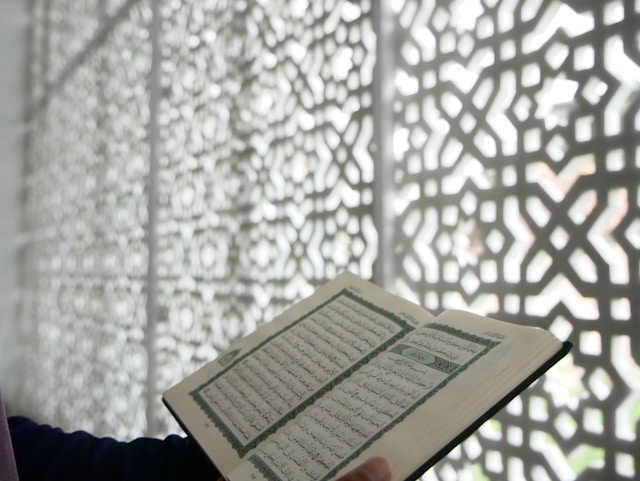
Preparing for Ramadan
Preparing for Ramadan is one circle in a bigger chain of preparation. In reality, every day we prepare for tomorrow, and tomorrow is the hereafter. So whether it is Sha’ban, or Ramadan, or any other season, it is all part of a continuous journey of preparation.
Let’s look at some narrations about how the Prophet ﷺ used to prepare for Ramadan. He is the best role model, the perfect role model to follow.
What is Shaban and why is it called Shaban?
Shaban is an Arabic month. One opinion about the name is that the Arabs called it Shaban because they would go in this month on different paths to seek water. It used to be a very hot month, so they would spread out and search for water.
In this month, as we see in authentic narrations, the Prophet ﷺ used to fast a great deal. So let us hear from a companion who was close to him: Usamah ibn Zayd (may Allah be pleased with him).
A quick background: “ibn” means “the son of”. So Usamah ibn Zayd is Usamah, the son of Zayd, whom the Prophet ﷺ had adopted before Allah revealed the rulings around adoption. Usamah was known as “the beloved, son of the beloved”. Before the Prophet ﷺ passed away, he appointed Usamah as the leader of a major army to defend the borders of the Muslims, even though Usamah was only 18 at the time. Usamah was young, close to the Prophet ﷺ, always learning from him.
Usamah narrates this hadith (reported by Imam Ahmad, Ibn Hibban, and others): he said the Prophet ﷺ would fast until we would say he never breaks his fast, and he would break his fast until we would say he will never fast.
Then Usamah approached the Prophet ﷺ with that inquisitive spirit we often see in young people: they ask, why is it like this, why do you do that? And he asked:
“O Messenger of Allah, I do not see you fasting any month as much as in Shaban.”
He was observant. He knew exactly when the Prophet ﷺ fasted and when he did not.
Notice that when someone asks a question, it is worth thinking where they are coming from and why they are asking. Usually we ask about what concerns us, what troubles us, what confuses us. Usamah wanted to learn, and instead of guessing, he asked the master ﷺ directly. So the Prophet ﷺ replied, explaining with the best teaching:
“This is a month to which people do not pay much attention. It is between Rajab and Ramadan.”
Rajab is one of the four sacred months in the Islamic calendar, so people pay attention to it. And Ramadan is of course a special month with obligatory fasting. Shaban sits in between, so people become heedless.
Then the Prophet ﷺ lifted the veil from the unseen and showed us the secret:
“It is a month in which deeds are raised to the Lord of the worlds, and I love that my deeds be raised while I am fasting.”
How would we know this if the Prophet ﷺ did not tell us? We cannot penetrate the unseen with our minds. Out of mercy, he ﷺ shared it with the ummah. He did not say, “this is personal between me and Allah.” He cannot withhold beneficial knowledge. He was sent to teach.
Look at the beauty here: he is diversifying his deeds. Of course there is salah, and charity, and good character, and so on. But he wants fasting included among the deeds being raised to Allah. Just as people diversify in investment and do not put all their eggs in one basket, here we are trading with Allah, and the Prophet ﷺ is showing us the best way: a garden full of fruits and flowers, and he is presenting the best to Allah.
Heedlessness is a killer
The hadith also highlights heedlessness: “people do not pay much attention”. Heedlessness is a killer of good deeds and a killer of opportunities. You were given an opening, a window, but you were not paying attention, so you missed it.
The remedy is the opposite of heedlessness: dhikr, remembrance. You shift from one mode to another by remembering Allah through salah, reciting Quran, and worship in all its forms.
Is remembrance exclusive to Shaban? No. But Shaban is the close step before Ramadan. The scholars used to say: Rajab is the month of planting seeds, Shaban is the month of watering, and Ramadan is the month of harvest. You do not want to enter Ramadan with no seeds planted and no watering, then you get no harvest.
There is also a hadith connected in meaning: worshipping Allah in times of trials and chaos carries the reward of hijrah to the Prophet ﷺ. (Muslim)
So the righteous used to go to places like the markets where most people are heedless, and they would remember Allah there, so people would listen and repeat, and it would become a cure rather than more heedlessness.
The principle remains: whenever you are heedless, shaytan attacks, whether it is Shaban or not. So Allah says: “O you who believe, remember Allah with much remembrance.” (33:41) This is the remedy for the heart, the remedy for heedlessness, the remedy for not letting the dunya settle in your heart. Live in the dunya, but do not let the dunya live in you.
Deeds being presented, and practical ways to prepare
These hadith mentions deeds being raised to Allah. Let’s look at the details.
Daily presentation (morning and evening)
Every day, before Fajr and before Asr, the angels come in shifts: a morning shift and an evening shift. One group comes down, the other takes over, and so on. They record the daily deeds, and these deeds are presented to Allah daily.
يَتَعَاقَبُونَ فِيكُمْ مَلَائِكَةٌ بِاللَّيْلِ وَمَلَائِكَةٌ بِالنَّهَارِ، وَيَجْتَمِعُونَ فِي صَلَاةِ الْفَجْرِ وَصَلَاةِ الْعَصْرِ، ثُمَّ يَعْرُجُ الَّذِينَ بَاتُوا فِيكُمْ فَيَسْأَلُهُمْ وَهُوَ أَعْلَمُ بِهِمْ: كَيْفَ تَرَكْتُمْ عِبَادِي؟ فَيَقُولُونَ: تَرَكْنَاهُمْ وَهُمْ يُصَلُّونَ، وَأَتَيْنَاهُمْ وَهُمْ يُصَلُّونَ.
Angels come to you in succession by night and by day. They meet at Fajr prayer and Asr prayer. Then those who spent the night among you ascend, and Allah asks them (though He knows best), “In what condition did you leave My servants?” They say, “We left them while they were praying, and we came to them while they were praying.” (Bukhari and Muslim)
Weekly presentation (Monday and Thursday)
Then we also have a weekly presentation. That is why the Prophet ﷺ used to fast on Mondays and Thursdays: deeds are presented, and he loved that his deeds be presented while he was fasting.
تُعْرَضُ الْأَعْمَالُ يَوْمَ الِاثْنَيْنِ وَالْخَمِيسِ، فَأُحِبُّ أَنْ يُعْرَضَ عَمَلِي وَأَنَا صَائِمٌ.
Deeds are presented on Mondays and Thursdays, and I love that my deeds be presented while I am fasting. (Tirmidhi)
Yearly presentation (Shaban)
ذَلِكَ شَهْرٌ يَغْفُلُ النَّاسُ عَنْهُ بَيْنَ رَجَبٍ وَرَمَضَانَ، وَهُوَ شَهْرٌ تُرْفَعُ فِيهِ الأَعْمَالُ إِلَى رَبِّ الْعَالَمِينَ، فَأُحِبُّ أَنْ يُرْفَعَ عَمَلِي وَأَنَا صَائِمٌ.
That is a month that people are often heedless of, between Rajab and Ramadan. It is a month in which deeds are taken up to the Lord of the worlds, and I love that my deeds be taken up while I am fasting. (Nasai)
And we have a yearly presentation. Think of it like the end of a financial year: you do your accounts and your taxes. It does not come overnight. If you keep your receipts and records daily, weekly, monthly, then when the year-end comes, it becomes much easier. Here it is not taxes, it is your deeds being presented to Allah. You choose what goes into your record.
So look at the picture, and look at ourselves: what are we preparing to present to Allah? It is not too late. We can still work.
Did the Prophet ﷺ fast all of Shaban?
Did the Prophet ﷺ complete the entire month of Shaban? The more authentic view among the scholars is that he did not fast it 100%, but he fasted in Shaban more than any other month outside Ramadan: almost all of it.
The Prophet ﷺ loved deeds that were consistent. If he started something, he would keep it and remain committed to it. So we know that alongside the obligations, the Prophet ﷺ had regular voluntary fasts. He would fast Mondays and Thursdays. And he would also fast three days every month: the 13th, 14th, and 15th of the lunar month. This was his consistent practice, unless he was travelling. And that is why you need to put a clear line here: if he was travelling, he would not fast.
Now, if you think about it, these days often overlap. It might be Monday or Thursday, or it might coincide with the 13th, 14th, or 15th. So if he travelled, he would miss some of these sunnah fasts. But he was not like us. He would not just miss them and move on. He would remember what he missed. Not as an obligation, because no one says this is obligatory, but because of his commitment. When Shaban came, he would “repay” these missed sunnah fasts. This is one of the reasons the scholars mention for why he fasted so much in Shaban.
This also shows his leniency ﷺ. If he received a guest while he was fasting, he would break his fast and eat with his guest, as long as it was before Dhuhr time. Or if he was fasting and food came as a gift, and one of his wives said, “O Messenger of Allah, we have received this food as a gift,” then if he was fasting he would break his fast and eat.
So he was very lenient. And the scholars commented that this is part of why the Prophet ﷺ fasted that much in Shaban: he was maintaining a commitment he had started with Allah.
Shaban and Shawwal as “sunnah” around Ramadan
Now shift your lens. Before Ramadan is Shaban. Some scholars explained, Shaban (before Ramadan) and Shawwal (after Ramadan) are like the sunnah prayers that come before and after an obligatory salah. The fard is the core obligation, and the sunnah around it is complementary to it. so what comes before and what comes after helps complete what may be lacking in the middle.
In the same way, Shaban comes before Ramadan and Shawwal comes after it, these voluntary fasts are like the “supporting” deeds around the obligation. If there are shortcomings in our Ramadan, then what comes before and after can help rectify those gaps, just as the sunnah prayers rectify deficiencies in the fard.
This meaning is illustrated by the authentic hadith about salah being the first matter a servant is taken to account for, and that any deficiency in the fard is completed through voluntary prayer, and then the rest of the deeds are treated the same way:
إِنَّ أَوَّلَ مَا يُحَاسَبُ بِهِ الْعَبْدُ يَوْمَ الْقِيَامَةِ مِنْ عَمَلِهِ صَلَاتُهُ فَإِنْ صَلُحَتْ فَقَدْ أَفْلَحَ وَأَنْجَحَ وَإِنْ فَسَدَتْ فَقَدْ خَابَ وَخَسِرَ فَإِنِ انْتَقَصَ مِنْ فَرِيضَتِهِ شَيْءٌ قَالَ الرَّبُّ عَزَّ وَجَلَّ انْظُرُوا هَلْ لِعَبْدِي مِنْ تَطَوُّعٍ فَيُكَمَّلَ بِهَا مَا انْتَقَصَ مِنَ الْفَرِيضَةِ ثُمَّ يَكُونُ سَائِرُ عَمَلِهِ عَلَى ذَلِكَ
“Indeed the first deed by which a servant will be called to account on the Day of Resurrection is his salat. if it is complete, he is successful and saved, but if it is defective, he has failed and lost. so if something is deficient in his obligatory (prayers) then the Lord, mighty and sublime says: ‘look! are there any voluntary (prayers) for my worshipper?’ so with them, what was deficient in his obligatory (prayers) will be completed. then the rest of his deeds will be treated like that.” (Tirmidhi)
So this is the picture the scholars highlight: the sunnah around the obligation strengthens it and helps complete what is missing and this is why the preparation the Prophet ﷺ modelled is, first, mental preparation: being fully aware that Ramadan is coming, and moving into that mode early.
There is a beautiful meaning here: on the Day of Judgement, one of the first matters we will be asked about is salah. Our record will be presented, and most of us have shortcomings. Then Allah will ask the angels: does My servant have extra voluntary prayers? If yes, Allah commands that the shortcomings be completed from the voluntary prayers. If not, the opportunity is missed.
How do we prepare for Ramadan?
There is also a dua said when Rajab begins:
“O Allah, bless us in Rajab and Shaban, and allow us to reach Ramadan.” (Bayhaqi)
It is not very authentic, but the meaning is good.
- Awareness
Be aware Ramadan is around the corner. Do not wait until the first day of Ramadan to “start preparing”. - Spiritual and emotional preparation: reconcile and cleanse the heart
In Shaban, there are narrations that Allah forgives many people, except those who have quarrels and rancour between them. Allah says to the angels: postpone their forgiveness until they reconcile.
تُفْتَحُ أَبْوَابُ الْجَنَّةِ يَوْمَ الاِثْنَيْنِ وَيَوْمَ الْخَمِيسِ فَيُغْفَرُ لِكُلِّ عَبْدٍ لاَ يُشْرِكُ بِاللَّهِ شَيْئًا إِلاَّ رَجُلًا كَانَتْ بَيْنَهُ وَبَيْنَ أَخِيهِ شَحْنَاءُ، فَيُقَالُ: أَنْظِرُوا هَذَيْنِ حَتَّى يَصْطَلِحَا، أَنْظِرُوا هَذَيْنِ حَتَّى يَصْطَلِحَا، أَنْظِرُوا هَذَيْنِ حَتَّى يَصْطَلِحَا.
“The gates of Paradise are opened on Monday and Thursday, and every slave who associates nothing with Allah is forgiven, except for the person between whom and his brother there is rancour. It will be said: Delay these two until they reconcile; delay these two until they reconcile; delay these two until they reconcile.” (Muslim)
لا يرحم من لا يرحم، ولا يغفر لمن لا يغفر، ولا يتاب على من لا يتوب، ولا يوق من لا يتوق.
“He who does not show mercy is not shown mercy; he who does not forgive is not forgiven; he who does not repent is not shown repentance; and he who does not guard himself is not guarded.”
(Al-Adab al-Mufrad – saying attributed to ʿUmar ibn al-Khattab)
So prepare your heart: reconcile with those you have wronged as much as you can. Ask for forgiveness. Purify your heart from grudges. It harms no one but you. Carrying hatred and pain makes you heavy and stops you moving forward. Drop it. Forgive, forget, and move on. Move forward to Allah. Free yourself from the shackles of shaytan.
- Physical preparation: train for fasting properly
Start fasting now. Mondays and Thursdays are a good beginning. If you want to increase, do so without harming yourself.
And if you have medical needs, be responsible. If someone is diabetic, they should consult their GP about adjusting medication timings. Do not simply say, “I am diabetic, I cannot fast,” because not every case is the same. Take the means Allah has provided.
- Prepare your faculties: tongue, ears, eyes, limbs
Control your tongue. This is not exclusive to Ramadan, but in Ramadan it is even more emphasised.
Muadh (may Allah be pleased with him) asked the Prophet ﷺ: “Are we going to be held accountable for what we say?” And the Prophet ﷺ told him that people will be flung into the Fire because of what their tongues bring, saying:
“Is there anything that throws people on their faces—or he said, on their noses—into the Fire except the harvests of their tongues?” (Tirmidhi)
Prepare your ears as well: do not sit in backbiting sessions. You may say, “I did not speak,” but you were listening, nodding, participating. If you cannot change the conversation, leave.
Prepare your eyes: control your gaze, whether on screens or in real life. Avoid looking at haram, avoid seeking haram. Ask Allah to help you control your gaze, your tongue, your ears, your heart.
- Prayer and commitment
If you are not praying throughout the year, do not wait for Ramadan. Start now. Make a commitment: from today I will keep my salah on time.
Attend congregation. Brothers: do not neglect Jumuah. Do not let dunya excuses stop you. If someone told you there is a trade deal at 1:00 on Friday, you would leave everything and go. Allah is inviting you to the best trade. Who multiplies like Allah? No one can give you profit multiplied by 700 times except Allah.
قُل لِّلۡمُؤۡمِنِینَ یَغُضُّوا۟ مِنۡ أَبۡصَـٰرِهِمۡ وَیَحۡفَظُوا۟ فُرُوجَهُمۡۚ ذَ ٰلِكَ أَزۡكَىٰ لَهُمۡۚ إِنَّ ٱللَّهَ خَبِیرُۢ بِمَا یَصۡنَعُونَ
Tell the believing men to restrain their sight(s) and to preserve their private parts; that is purer for them. Indeed, Allah is All knowing of what you do. (24:30)
So go and increase your reward and closeness to Allah.
- Increase Quran now
Increase your recitation in Shaban so you enter Ramadan ready, not struggling to “get into the habit”.
Remember the training analogy: you do not run a marathon without training, or you collapse after a short distance. Ramadan is more important than any marathon. Train your tongue, ears, eyes, body, and heart now, so you hit Ramadan running.
O Allah, bless us and bring us to Ramadan. O Allah, prepare our hearts for Ramadan, prepare our eyes, our ears, our tongues and our bodies, and make us seize the opportunity of Ramadan. Have mercy on us, purify our hearts and intentions. Make us among the righteous and those close to you. Grant relief to the people of Palestine and all those who are suffering around the world. Ameen.
Based on the talk given by Shaykh Haytham Tamim to the Al Manaar Convert Club on 26th Jan 2026