Don’t wait for the big ticket. Be the big ticket.
|

Don’t wait for the big ticket. Be the big ticket.

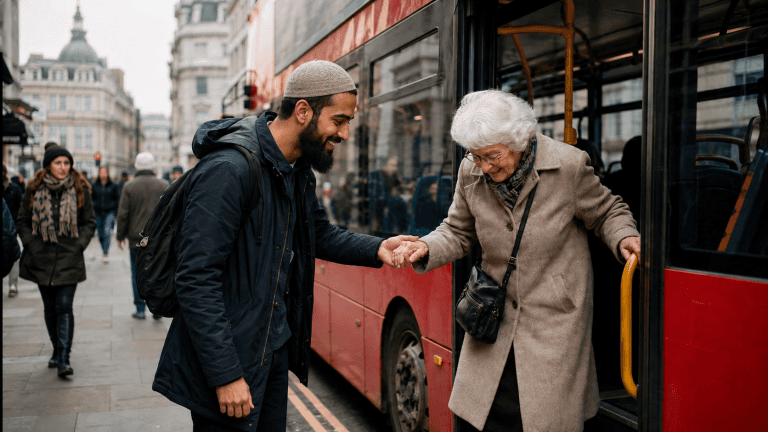
The Prophet Muhammad ﷺ advised Abu Dharr al-Ghifari (may Allah be pleased with him) to follow seven commands, and through him taught the Ummah. عن أبي ذَرٍّ الغِفاريِّ رضي الله عنه، قال: أمرَني خليلي ﷺ بسبع: ١-(أمرَني بحبِّ المساكينِ والدُّنوِّ منهُم. ٢-وأمرَني أن أنظرَ إلى مَن هو دُوني ولا أنظرَ إلى مَن هو فوقي. ٣-وأمرَني…

Wearing trousers above the ankles and the dangers of worship becoming mixed with pride
|

Wearing trousers above the ankles and the dangers of worship becoming mixed with pride

The question of whether a man should wear his trousers above or below his ankles often leads to strong opinions. There are authentic hadiths warning men about letting their clothes fall below the ankles. But there is also a deeper lesson behind these hadiths: arrogance. At the time of the Prophet ﷺ, wealthy and powerful…

Don’t compartmentalise your faith

Don’t compartmentalise your faith

Imaan is beyond five pillars Anas ibn Malik (may Allah be pleased with him) reported that the Messenger of Allah ﷺ said: لَا يَسْتَقِيمُ الْإِيمَانُ إِلَّا بِالْقَوْلِ، وَلَا يَسْتَقِيمُ الْإِيمَانُ وَالْقَوْلُ إِلَّا بِالْعَمَلِ، وَلَا يَسْتَقِيمُ الْإِيمَانُ وَالْقَوْلُ وَالْعَمَلُ إِلَّا بِنِيَّةٍ مُوَافِقَةٍ لِلسُّنَّةِ “A servant’s faith will not be upright until his heart is sound, and…

Lessons from the Seerah 2 – what was Arabia like pre-Islam?

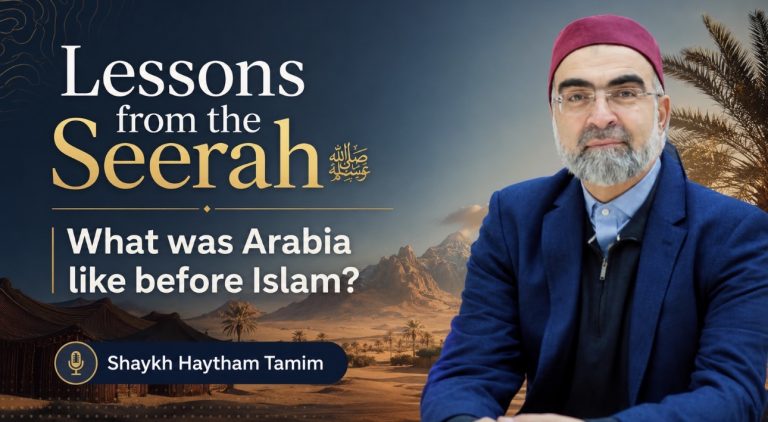
Lessons from the Seerah 2 – what was Arabia like pre-Islam?

It is a great honour to talk about the Prophet ﷺ and to learn from his seerah – his life and biography. Previously, we looked at why we study the seerah – what is the benefit and what is the connection between the life of Prophet Muhammad ﷺ, the Qur’an and our own reality. Though…

Healing from the Quran and Sunnah (part 6) – wellbeing (afiya) practices and environment

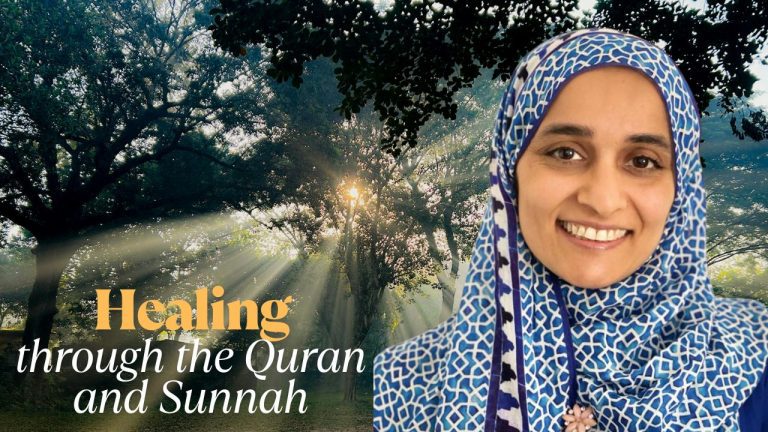
Healing from the Quran and Sunnah (part 6) – wellbeing (afiya) practices and environment

  Gratitude Ann enormous principle of wellbeing is gratitude. Allah says: لَئِن شَكَرْتُمْ لَأَزِيدَنَّكُمْ “If you are grateful, I will certainly give you more.”(Surah Ibrahim, 14:7) And Allah leaves that increase open. It may be an increase in the blessing itself, or in our ability to recognise it. Sometimes the circumstances have not changed at…

Healing from the Quran and Sunnah (part 5) – physical health, sleep and strong emotions

Healing from the Quran and Sunnah (part 5) – physical health, sleep and strong emotions

  The Prophet ﷺ said: الْمُؤْمِنُ الْقَوِيُّ خَيْرٌ وَأَحَبُّ إِلَى اللَّهِ مِنَ الْمُؤْمِنِ الضَّعِيفِ، وَفِي كُلٍّ خَيْرٌ “The strong believer is better and more beloved to Allah than the weak believer, although there is good in both.”(Sahih Muslim) I would not limit “strong” here to somebody who is physically strong. There is strength of faith,…

Healing from the Quran and Sunnah (part 3) – the holistic approach, ruqya, fasting and moderation

Healing from the Quran and Sunnah (part 3) – the holistic approach, ruqya, fasting and moderation

  Hospitals – bimaristans There is another concept which is not directly tibb al-Nabawi, but I think it follows very naturally from this idea of holistic healing, and that is the bimaristan. Dr Rania Awaad has done a great deal of work recovering the history of these institutions. Bimaristans were hospitals in the Muslim world…

Healing from the Quran and Sunnah (part 2) – the connection between body, mind and soul

Healing from the Quran and Sunnah (part 2) – the connection between body, mind and soul

  What is tibb al-nabawi? What do we actually mean by tibb al-nabawi, or prophetic medicine? There are detailed classical works devoted to the subject, and it can be approached as a field in its own right. But for the purposes of this discussion, I want to keep it practical. I am using the term…

Healing from the Quran and Sunnah (part 1) – what is healing?

Healing from the Quran and Sunnah (part 1) – what is healing?

  Healing with the Quran and Sunnah I was looking recently at some of the Hikam, the aphorisms of Ibn Ataillah al-Iskandari, and one of them really stayed with me: من أشرقت بدايته أشرقت نهايته “Whoever has a luminous beginning will have a luminous end.”(Ibn Ataillah al-Iskandari, al-Hikam al-Ata’iyyah) I thought that was very powerful….

life support
| |

Is it permissible to switch off a ventilator in Islam?

Being told that a loved one’s ventilator may be switched off is tough and daunting. No one envies the person who has to make such a decision, yet with the medical technology now available, it is a situation that many families find themselves facing. The Islamic ruling depends on why the ventilator is being withdrawn…