

Have you given charity for your body?
Begin your day with purpose
When you open your eyes every morning, what is your intention? What are you going to do with the day Allah has given you?
Last week, we reflected on the words of the Prophet ﷺ:
كُلُّ النَّاسِ يَغْدُو، فَبَائِعٌ نَفْسَهُ، فَمُعْتِقُهَا أَوْ مُوبِقُهَا
“Each morning, every human being trades with their own soul, either liberating it or destroying it.”
(Sahih Muslim)
We considered the intention with which we begin our day. Now we turn to action. How do we translate that intention into something practical?
Abu Hurayrah (may Allah be pleased with him) reported that the Messenger of Allah ﷺ said:
كُلُّ سُلَامَى مِنَ النَّاسِ عَلَيْهِ صَدَقَةٌ كُلَّ يَوْمٍ تَطْلُعُ فِيهِ الشَّمْسُ؛ تَعْدِلُ بَيْنَ اثْنَيْنِ صَدَقَةٌ، وَتُعِينُ الرَّجُلَ فِي دَابَّتِهِ فَتَحْمِلُهُ عَلَيْهَا، أَوْ تَرْفَعُ لَهُ عَلَيْهَا مَتَاعَهُ صَدَقَةٌ، وَالْكَلِمَةُ الطَّيِّبَةُ صَدَقَةٌ، وَبِكُلِّ خُطْوَةٍ تَمْشِيهَا إِلَى الصَّلَاةِ صَدَقَةٌ، وَتُمِيطُ الْأَذَى عَنِ الطَّرِيقِ صَدَقَةٌ
“Charity is due on every joint of a person each day the sun rises. Reconciling justly between two people is charity. Helping a person mount their riding animal, or lifting their belongings onto it, is charity. A kind word is charity. Every step you take towards prayer is charity. And removing something harmful from the road is charity.”
(Sahih al-Bukhari and Sahih Muslim)
The Prophet ﷺ is opening a window for us onto something we would not otherwise recognise: the connection between the joints in our bodies and our daily acts of charity.
The blessings we take for granted
Aisha (may Allah be pleased with her) narrated that the Prophet ﷺ said:
“Every human being among the children of Adam has been created with 360 joints.”
He went on to explain that remembering Allah, seeking His forgiveness, removing a stone, thorn or bone from people’s path, and enjoining good and forbidding wrong, to the number of those joints, are means of distancing oneself from the Fire. (Sahih Muslim)
Have you ever thought about giving charity on behalf of every joint you have? You move your fingers, your toes, your shoulder, your arm. You open and close your hand. It happens so easily that you hardly notice it. Yet every one of these movements is a blessing.
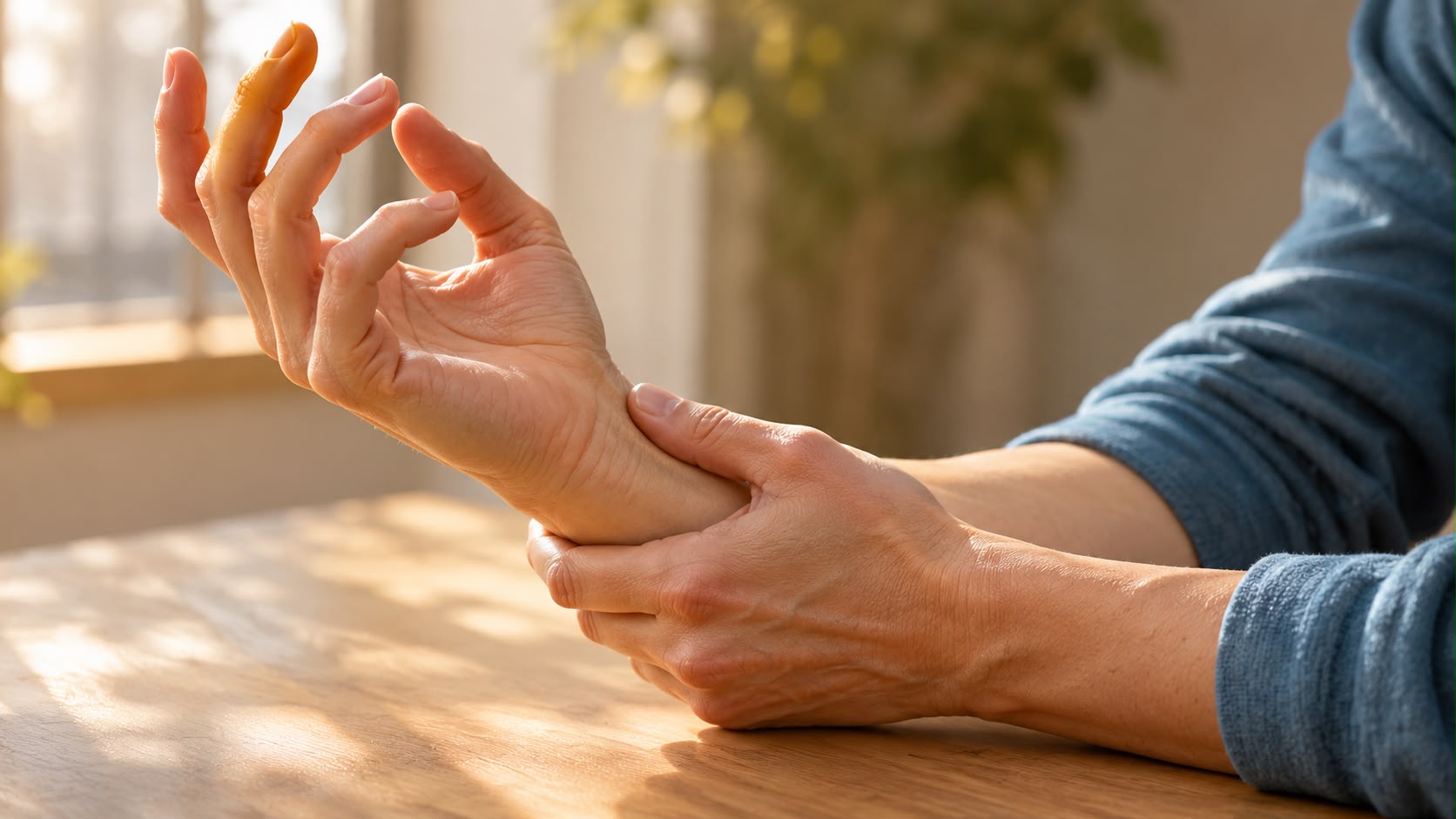
Imagine waking up one morning and finding that you cannot move as you did before. May Allah protect us. How much would you be willing to spend to recover that movement? Perhaps all your savings.
And if the NHS waiting list is too long, you may even travel abroad and pay extra to have that joint treated. Suddenly, that joint becomes very important. But what did you do with it when it was healthy? How did you use it?
This is where the Prophet ﷺ directs our attention. We are enjoying Allah’s blessings every day, often without noticing them. We are swimming in His favours. But are we grateful?
We recognise blessings such as money, children, knowledge, opportunities and status. Yet there are also the small things—the nitty-gritty things—which we overlook. That joint. That finger. The movement of your hand.
And beyond the joints, think of your heart pumping and your blood circulating. So much is happening within us without our having to organise any of it.
The first step is to recognise these favours. Gratitude begins when we stop treating them as though they are simply ours by right.
Charity is more than giving money
Every morning, charity is due on behalf of our joints. Three hundred and sixty a day comes to 2,520 over a week.
Someone may hear this and immediately become anxious: “How am I going to manage all of that?” Here we need to understand the teaching properly. These daily charities are an encouragement to voluntary goodness and gratitude; they are not 360 compulsory financial payments. The foundation of gratitude is to fulfil our obligations and avoid what Allah has prohibited. Beyond that, voluntary deeds give us further opportunities to thank Him.
Just look at how widely the Prophet ﷺ opens the doors of charity. You help two people settle a disagreement fairly. That is charity. Reconciliation should uphold what is right, rather than favouring one person or asking someone to surrender their rights unfairly.
You help someone get into their transport, or lift their belongings for them. That is charity. Today, this might mean helping someone into a car or carrying a heavy bag.
You say something kind. You encourage someone who is struggling or cheer someone up. That is charity.You walk towards salah. Every step is charity. You remove something harmful from a path so that another person will not be hurt. That is charity.
Notice how many of these actions benefit the people around us. Our neighbour, our friend, a stranger. The Prophet ﷺ is teaching us to see beyond our nose. Life cannot revolve around “me, myself and I”.
Some acts of charity benefit us through our worship and remembrance of Allah. Others extend their benefit to those around us. Together, they strengthen our relationship with Allah and our relationships with His creation.
A smile does not require a bank balance
We may think, “I do not have money to give. In fact, I need money myself.” Yet the opportunity to be charitable remains open.
It is reported from the Prophet ﷺ:
إِنَّكُمْ لَنْ تَسَعُوا النَّاسَ بِأَمْوَالِكُمْ، وَلَكِنْ يَسَعُهُمْ مِنْكُمْ بَسْطُ الْوَجْهِ وَحُسْنُ الْخُلُقِ
“You will not be able to encompass people with your wealth, but you can encompass them with a cheerful face and good character.”
(al-Bazzar)
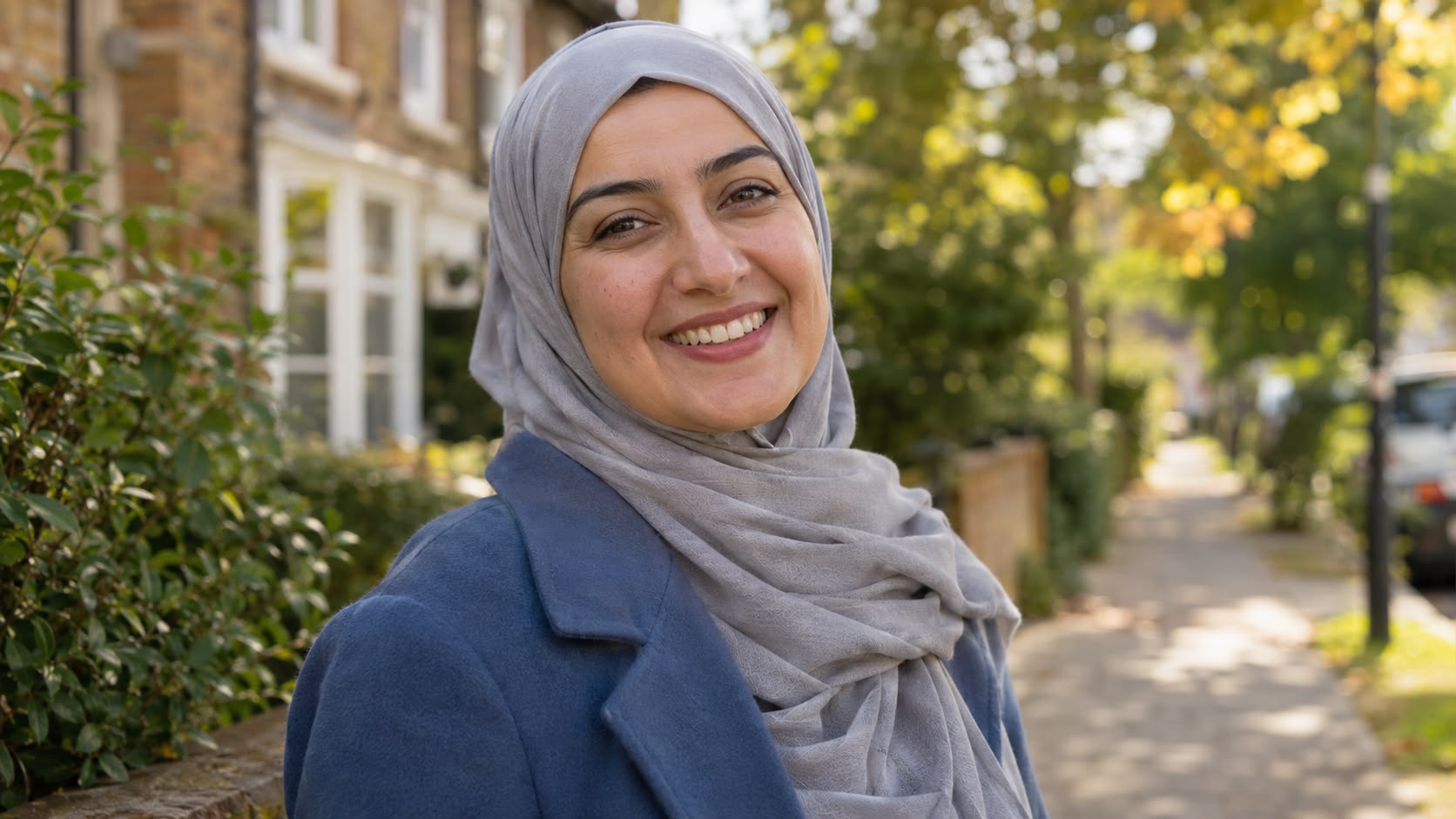
Even a wealthy person cannot meet everybody’s needs with money. But a welcoming face, good words and good character are within reach. A smile does not require a bank balance.
Think of the role Muslim merchants played in bringing Islam to communities in Southeast Asia, including the Malay Peninsula and the Indonesian archipelago. Trade and personal contact were important channels through which people encountered Islam.
The lesson for us is to carry our Islam into our dealings: our honesty, truthfulness and trustworthiness. Good character reaches hearts.
Two rak‘ahs of Duha
Three hundred and sixty charities every day may sound like a great deal. But look at how many doors Allah has opened for us, and how generously He rewards our deeds.
Abu Hurayrah (may Allah be pleased with him) reported that the Messenger of Allah ﷺ said:
إِنَّ رَبَّكُمْ يَقُولُ: كُلُّ حَسَنَةٍ بِعَشْرِ أَمْثَالِهَا، إِلَى سَبْعِمِائَةِ ضِعْفٍ
“Indeed, your Lord says: ‘Every good deed is rewarded tenfold, up to seven hundred times its worth.’”
(Al-Tirmidhi)
We should never underestimate a good deed. A kind word, a helping hand or a moment spent remembering Allah may seem small to us, yet Allah multiplies its reward. Based on this hadith, one good deed could be multiplied beyond ten, seven hundred, seventy thousand even, so that it covers the 360 charity due. It all depends on the purity of the intention.
Look how Allah gives us the ability to do good and then out of His generosity, rewards our actions. Alongside it, the Prophet ﷺ gives us a specific assurance about fulfilling the charity of our joints.
Abu Dharr (may Allah be pleased with him) narrated that the Prophet ﷺ said:
وَيُجْزِئُ مِنْ ذَلِكَ رَكْعَتَانِ يَرْكَعُهُمَا مِنَ الضُّحَى
“Two rak‘ahs which one prays at Duha suffice for all of that.”
(Sahih Muslim)
Just two rak‘ahs fulfil the charity of 360 joints. Look at Allah’s generosity!
Duha is the voluntary forenoon prayer, performed after the sun has risen sufficiently above the horizon and before it reaches its zenith, shortly before Dhuhr. Its minimum is two rak‘ahs.
Aisha (may Allah be pleased with her) also reported that the Prophet ﷺ prayed four and would increase beyond that. (Sahih Muslim)
Scholars explain that prayer brings the body into worship through its movements, recitation and remembrance of Allah. The very body whose blessings we are acknowledging is engaged in thanking Him.
Make room for these two rak‘ahs in your day.
A mercy bestowed as a gift
The Prophet ﷺ described himself as:
إِنَّمَا أَنَا رَحْمَةٌ مُهْدَاةٌ
“I am only a mercy bestowed as a gift.”
(Al-Hakim)
We see that mercy in the way he teaches us. He draws our attention to blessings we overlook, shows us how to respond, and gives us ease. Allah grants us the ability to do good and then rewards us for doing it. How generous is our Lord.
Be a person of purpose
The Prophet ﷺ is teaching us to become people of purpose. When you wake up, have a mission. Alongside your salah and your responsibilities towards your family, look for the extra good you can do.
Whom can you help today? What can you contribute? Which blessing can you put to good use?
There is a difference between fulfilling the minimum and taking the opportunities Allah gives us to do more. The additional deeds matter in our records, and they make a difference on the ground.
Don’t accept to get less if you can do more. Do more with the right intention and the right action.
Islamophobia Awareness Month: turn awareness into action
This message of contribution also has a practical application this November, during Islamophobia Awareness Month. The 2026 theme, “Don’t Let It Slide”, calls on us to challenge anti-Muslim prejudice and support those affected.
We have been speaking about action and engagement. This is one place to put them into practice.
We need to challenge stereotypes, recognise the contributions Muslims make to society, and encourage people to take responsibility when they witness discrimination. A prejudiced remark should not become acceptable simply because nobody challenges it.
That responsibility belongs to colleagues, neighbours, leaders and allies as well as to Muslims themselves. It includes supporting someone who has been targeted, reporting hate incidents through appropriate channels, and addressing unfair treatment in our institutions.
An Early Day Motion tabled in Parliament on 4 November 2026 recognised British Muslims’ contributions and raised concern about Islamophobia in workplaces, schools, places of worship and online. It also highlighted the targeting of women who wear the hijab and of Muslim institutions, and called for better training, resources and cooperation with communities.
Our awareness must lead to action, including within our own communities. We should treat people fairly regardless of their colour, race or background, and build alliances for the common good with other faith communities and people of no faith.
This is part of being people of purpose: noticing harm, responding to it and contributing to the wellbeing of those around us.
Every morning brings another opportunity to thank Allah through what we do.
We ask Allah to enable us to be a true reflection of the Sunnah of His Messenger ﷺ in our communities. We ask Him to protect our communities and all communities from evil, and to help us live by the principles we profess. Ameen.
Based on the Friday khutbah of Shaykh Haytham Tamim, 20 November 2026.
Related posts
https://www.utrujj.org/can-you-pray-nawafil-duha-before-the-midday-prayer-dhur/